The Work We Are Doing
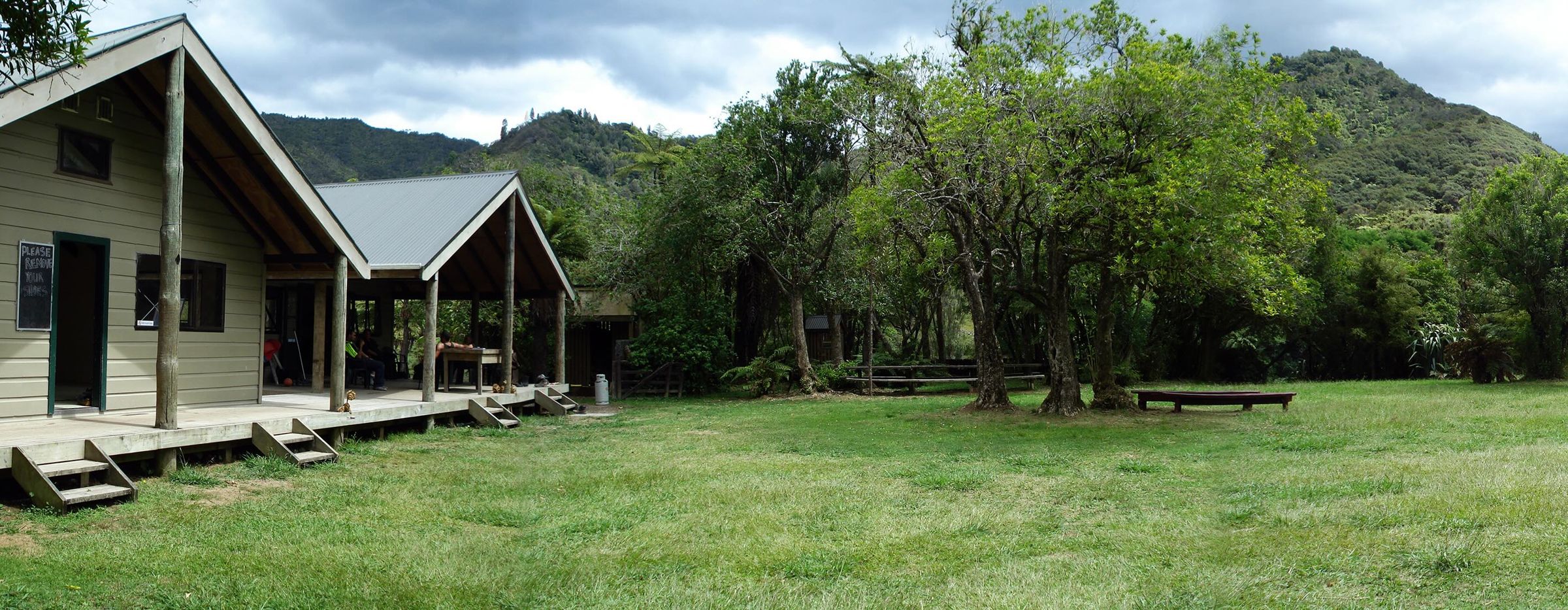
Since whānau returned to Tieke in 1993, the ahi kā has been kept burning. Today that means caring for manuhiri through the Whanganui Journey season, restoring the taonga that carry our history, and planning for the future of Tieke alongside the Department of Conservation.
Te tau ki Tieke · The year at Tieke
Tieke Hut Ranger
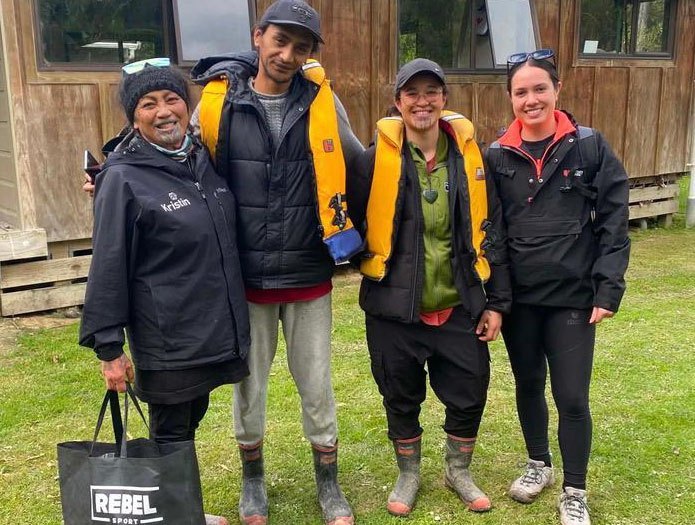
Each Whanganui Journey season, from 1 October to the end of April, Ngāti Hinekura employs two kaitiaki at Tieke under a service agreement with the Department of Conservation. They welcome manuhiri ashore, share safety messaging on the awa, and look after the hut, the campsite and the shared facilities.
Last season 3,946 manuhiri stayed at Tieke. Our 2025 to 2026 kaitiaki, Trish and Pania, both went on to full time roles with DOC, and this season's kaitiaki are on site now. Whānau give their time to get them up and down the awa by jetboat, and the poari meets with DOC each month through the season to keep the work on track.
Having our own people at Tieke every day of the season means manuhiri meet the hapū, hear our kōrero, and see the ahi kā kept burning.
Ngā pānui Latest updates
Tieke Management Plan
Tieke sits inside Whanganui National Park, and the Department of Conservation has proposed a management plan and relationship agreement setting out how Ngāti Hinekura and DOC will care for Tieke together. It covers the whenua, te taiao, the facilities, and the people who come to Tieke.
We want any plan to reflect what Ngāti Hinekura wants for Tieke, so the poari is setting out our own aspirations first, grounded in our three pou, and taking them to DOC. Nothing has been agreed, and no agreement will be made until that kōrero has come back to whānau.
We see the plan as a step towards Treaty Settlement and the long term future of Tieke.
Pou Whenua Restoration
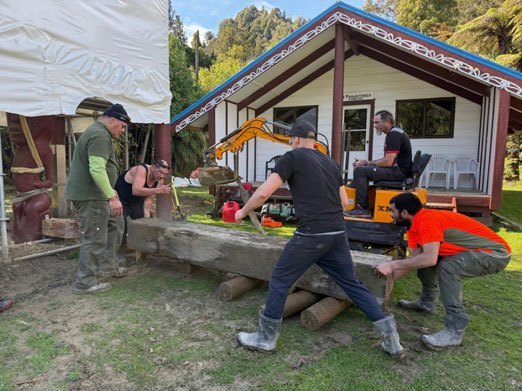
The pou carries the history of Tieke to Tamahaki and Ngāti Hinekura. Over time its base began to decay, and over 2025 and 2026 Ngāti Hinekura Manatōpū secured funding to restore it, so this taonga stands strong for the generations to come.
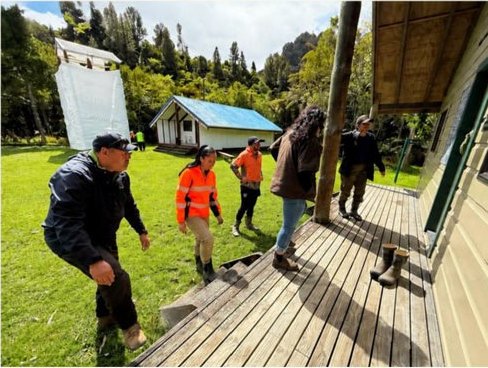
The pou was held in place on scaffolding while its base was repaired and reset, with structural engineering by DTCE. Alongside the pou, the mahi included drainage around the pou and the wharenui, and upgrades to the shelter, path and helipad. The work is now close to complete, with the final placement of Tamahaki still to come, followed by an unveiling.
Much of it was done by whānau, who gave their time and skills: Gordon Cribb, Paora Toho, Emilio Whitu and Harry Toho. Uncle Paora and Uncle Shum used their jetboats to bring materials and equipment up the river, and our trustees gave their time voluntarily. Elite Engineering supported the project through sponsorship.
Restoring the Ngahere
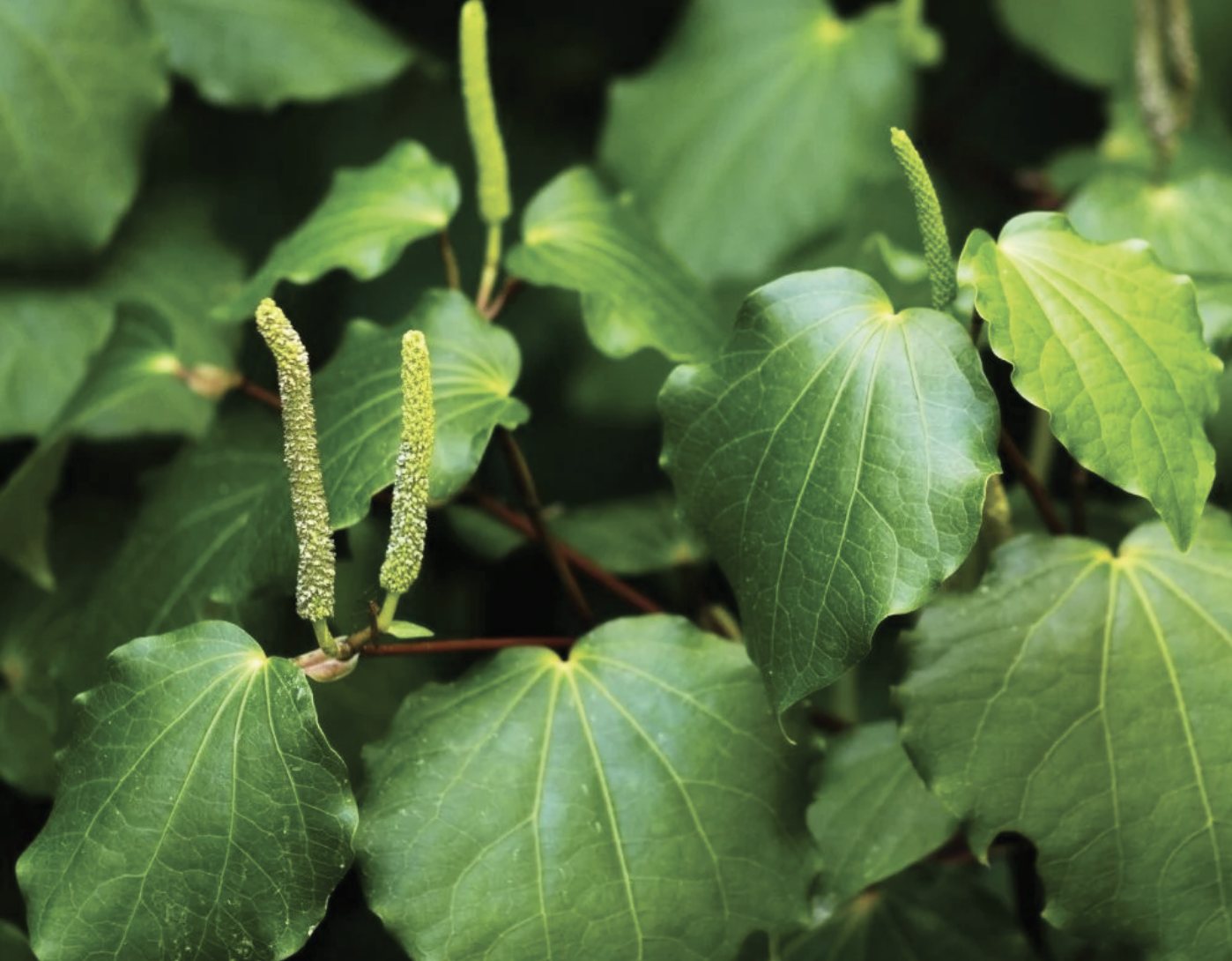
Ngāti Hinekura aspire to restore the ngahere and the native species that once thrived at Tieke. This year 100 kānuka were delivered to Tieke and planting has begun, a first step in bringing back the bush around the kāinga.
Pest control is the next focus, with possums, deer and other predators all on the list. Five whānau were supported to attend DOC predator trapping training, building the skills we need to run our own trapping programme.
There are good signs already. Kiwi footprints have been seen at Tieke, a reminder of what's at stake and why this mahi matters.
Strengthening the Kāinga
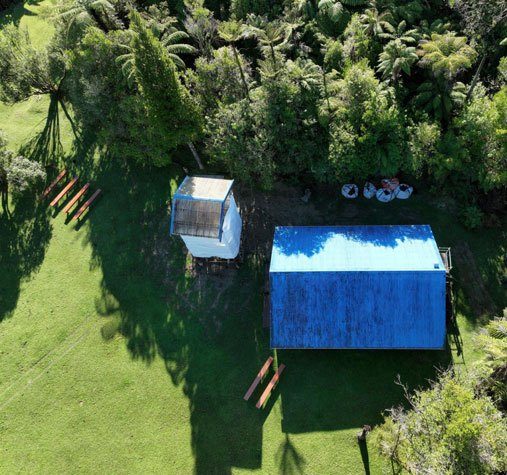
Tieke needs to work for whānau, kaitiaki and manuhiri alike. A solar energy project is underway through Ngā Tāngata Tiaki, which will bring power to the wharenui and wharekai. A new oven and stovetop have gone into the kitchen, and the hapū is taking on interior painting of the hut, kitchen and bunkrooms.
Some decisions are about protecting the marae as much as improving it. A new helipad has been set up on the lower flat, so helicopters only land on the ātea as a last resort in a flood or emergency, and the committee chose not to put screens or barriers around the ātea.
Looking ahead, we're planning a wharekai with a connecting deck, a kaitiaki hut and more showers, so Tieke can host whānau and kaitiaki with less reliance on DOC facilities.
Get Involved
Much of this mahi is led and carried by whānau. If you'd like to help, or to hear about what's happening at Tieke, get in touch or sign up to stay connected.